
Mold Remediation in Tucson: Local Considerations for Desert Living
Mold can appear even in dry climates. Certified cleanup and containment help protect your home and health.
📞Comprehensive Service Overview
Mold remediation projects in Tucson typically follow a systematic approach tailored to our desert environment. The process begins with thorough moisture source identification—locating exactly where water is entering and why. This is crucial in our climate where problems often stem from specific events rather than constant humidity.
Containment is particularly important in Tucson's often compact living spaces. Proper barriers and negative air pressure help prevent mold spores from spreading to unaffected areas during removal, which matters whether you're in a historic downtown home or a newer foothills property. Affected materials are then removed or treated using industry-standard methods and antimicrobial solutions appropriate for our specific building materials like stucco, adobe, and drywall.
What sets comprehensive remediation apart is the focus on preventing recurrence. This means not just cleaning up visible mold but addressing the underlying moisture issue—whether it's improving ventilation around an evaporative cooler, repairing monsoon-damaged roofing, or fixing a slow plumbing leak. Many Tucson homeowners appreciate receiving a written plan with photo evidence that documents what was found, what was done, and what preventive measures are recommended. This documentation can be particularly useful for insurance purposes or future property transactions.
The final step often involves post-remediation verification to ensure the area is properly dried and the moisture source is controlled. In Tucson's climate, this means confirming that conditions won't support mold regrowth once normal desert dryness returns.
★ Why Choose a Local Pro?
Working with professionals familiar with Tucson's specific conditions matters more than you might think. Our desert climate creates mold scenarios that differ significantly from humid regions—the moisture sources are often more concentrated and hidden, requiring different diagnostic approaches.
Local familiarity with Tucson's housing stock is valuable. Someone who understands how adobe walls breathe differently than modern stucco, or how evaporative cooling systems affect indoor humidity, can identify problems more efficiently. They'll also know which building materials are common in different neighborhoods and decades of construction.
Licensing and certification requirements can vary, and professionals operating in Pima County should be familiar with both state regulations and any local code variations. They'll understand the typical insurance documentation needs for monsoon-related damage versus other water events. Perhaps most importantly, local experience helps set realistic expectations about what's normal for our climate versus what indicates a serious problem that needs immediate attention.
While any qualified professional can follow standard protocols, those with Tucson-specific experience often spot patterns and solutions that might be overlooked by someone unfamiliar with our unique desert-monsoon climate cycle and housing characteristics.
Local Advantage
- ✓ Faster Response Times
- ✓ Knowledge of Local Codes
- ✓ Community Accountability
Local Mold Remediation in Tucson
Understanding the specific needs and challenges of properties in the Tucson area.
Regional Characteristics
Tucson's housing stock spans from historic adobe and brick homes dating back a century to modern stucco constructions in newer developments. Many older neighborhoods feature original construction that wasn't designed with modern moisture barriers, while newer homes often have better insulation but can still face issues from our intense monsoon rains. The terrain varies from flat valley floors to foothill slopes, affecting drainage patterns around foundations. Development patterns show a mix of dense urban cores, sprawling suburban areas, and rural outskirts, each with different mold risk factors related to construction age, ventilation, and maintenance practices.
Common Issues
Homeowners commonly encounter mold in bathrooms with inadequate ventilation, around evaporative cooler pads and ducts, in attics where roof leaks from monsoon storms go unnoticed, and in crawl spaces where ground moisture accumulates. Basements are rare here, but slab foundations can develop moisture issues at the perimeter. Many Tucson residents discover mold during home renovations when they open up walls that have hidden plumbing leaks or during monsoon season when window seals fail. The combination of intense summer heat followed by monsoon moisture creates perfect conditions for mold in poorly ventilated areas.
Areas & Neighborhoods Served
Service Area Zip Codes
Local Considerations
Older homes in historic districts often face challenges with original construction materials and aging plumbing systems. Newer developments in suburban areas might have different issues related to modern building techniques and landscaping irrigation. Areas near major washes or flood zones have additional considerations during monsoon season. The mix of architectural styles—from traditional Southwestern to contemporary desert modern—means remediation approaches need to adapt to different construction methods and materials common in our region.
How Matching Works in Tucson
Share Your Need
Select the specific service or issue you need help with.
Get Matched
We identify local professionals in our network who handle that service.
Compare Options
Review your matches and decide on the best provider for you.
Why Choose Our Mold Remediation
Trusted by Tucson homeowners and businesses
Moisture Source Detection
We locate the leak or humidity source so mold doesn’t return after cleanup.
Containment & HEPA Filtration
Proper barriers and negative air pressure reduce cross-contamination during removal.
Safe Removal & Cleaning
Affected materials are removed or treated using industry-standard methods and antimicrobial solutions.
Clear Scope & Documentation
Get a written plan, photo evidence, and guidance for repairs and prevention.
Mold Remediation Guides for Tucson
Different situations call for different information. Choose a guide based on what you need right now.
Emergency Situations
Urgent help when every minute counts.
Get Emergency HelpPricing & Cost Factors
Understand fair costs and pricing.
View Pricing GuideAvoid Scams
Protect yourself from common fraud.
Read Protection GuidePermits & Compliance
Local rules and requirements.
Check RequirementsNext Steps
If you're dealing with extensive visible growth, water actively entering your home, or health concerns, visit the emergency page for immediate guidance. For questions about typical costs and what factors influence pricing in Tucson, the pricing page provides detailed information. To understand common consumer protection concerns and how to identify reputable providers, the scams page offers valuable insights. If you're wondering about local permit requirements or compliance questions, the permits page addresses those considerations.
Mold Remediation Work
Professional mold remediation services in Tucson
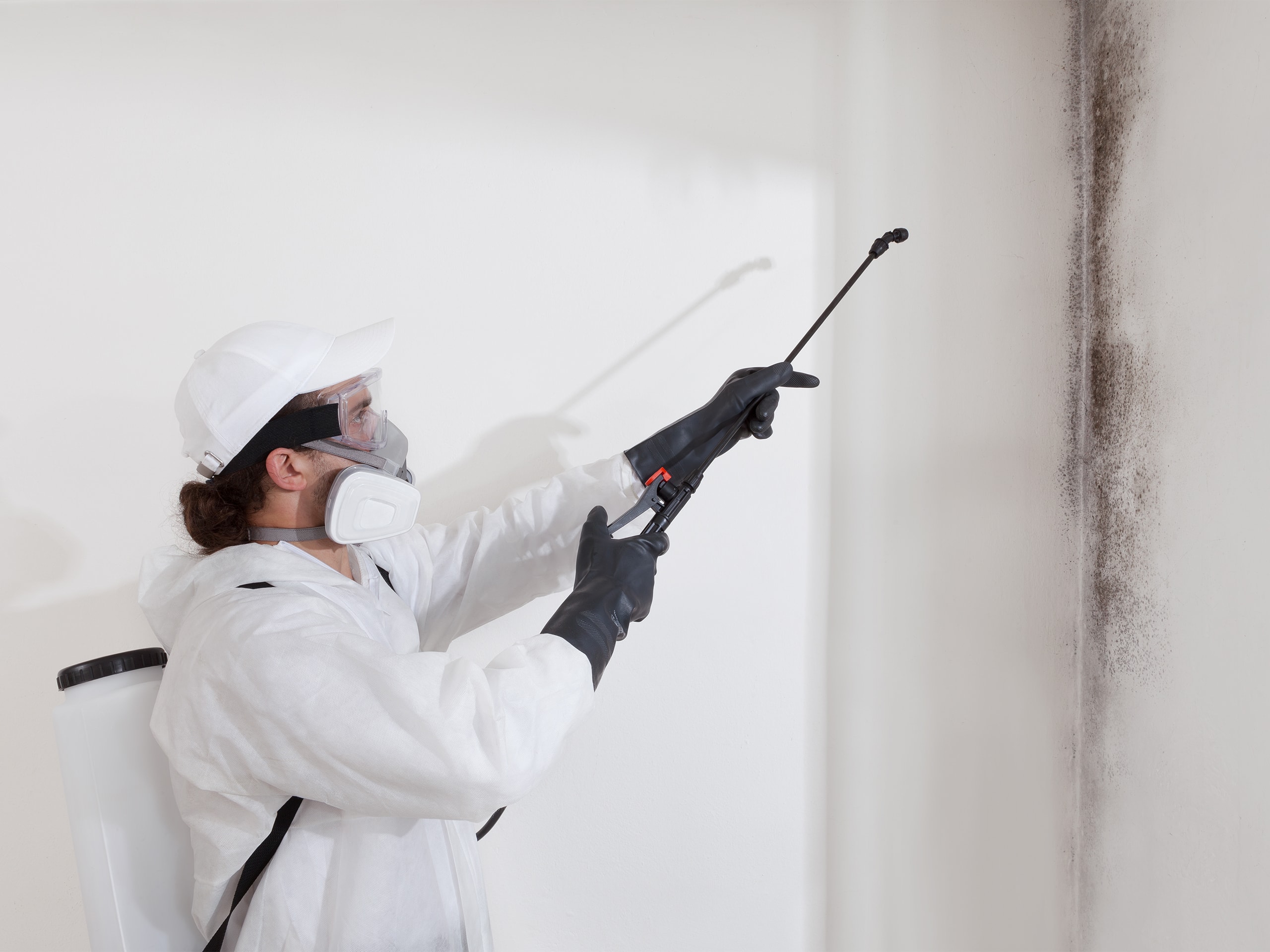
mold remediation
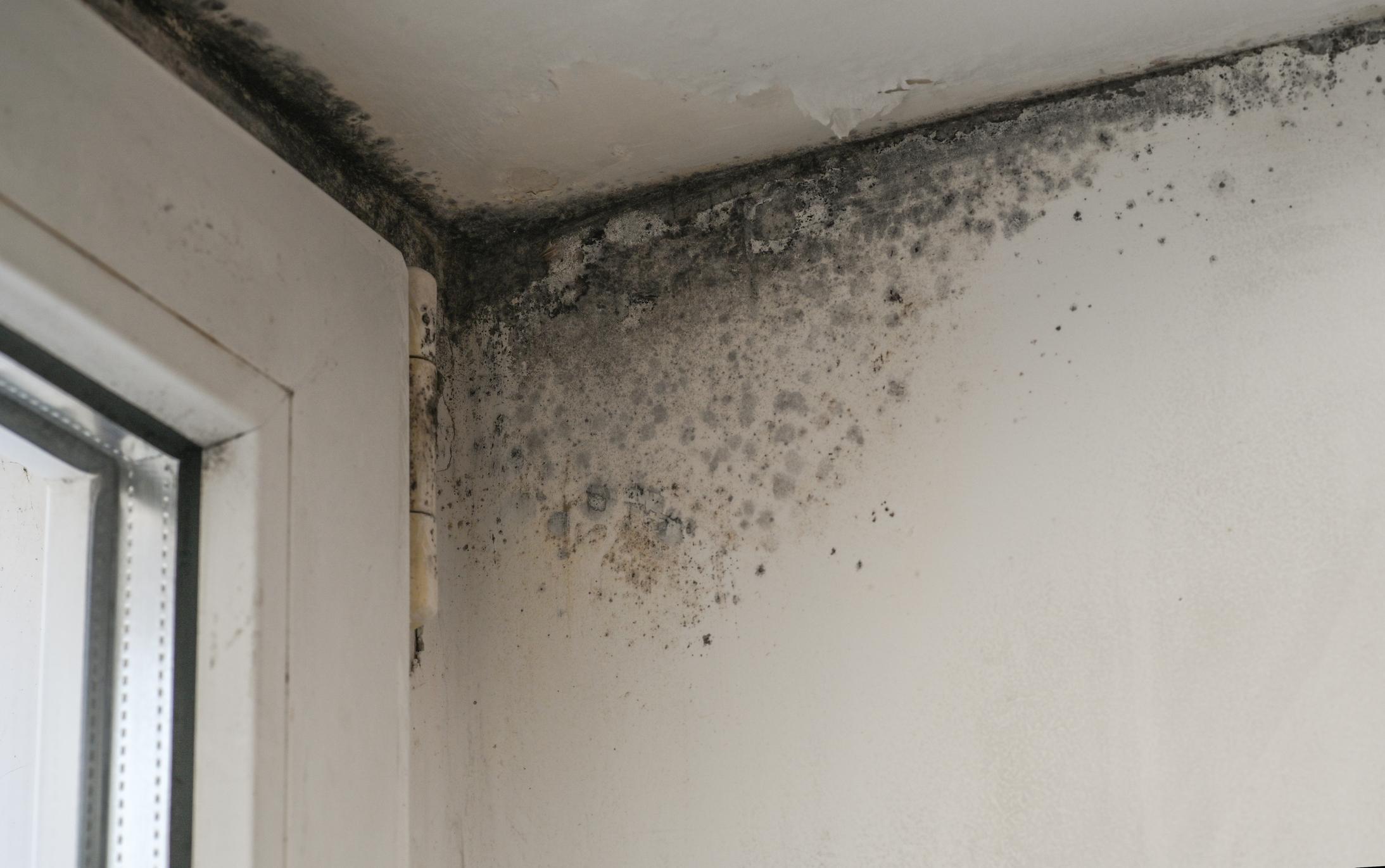
mold removal
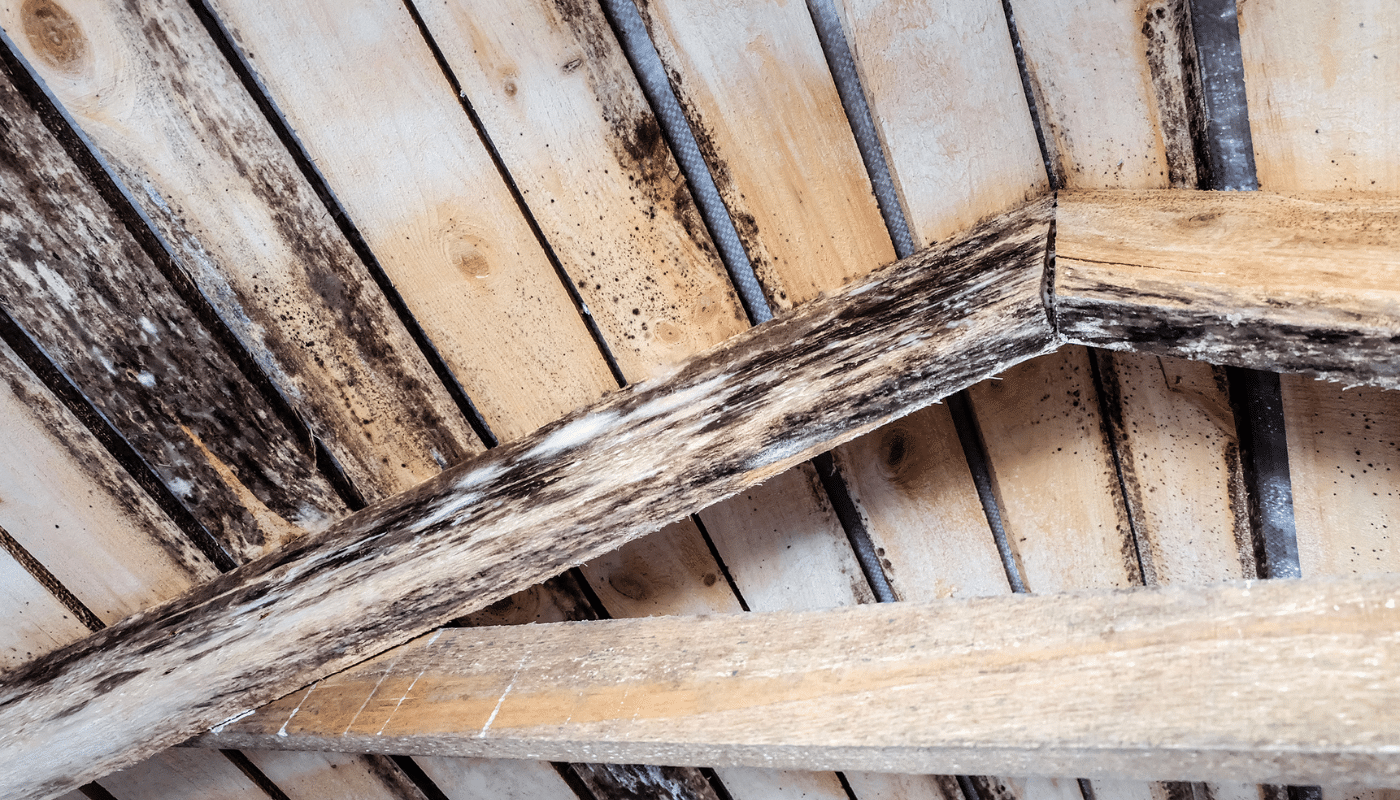
black mold removal
mold inspection
Find a Mold Remediation Pro in Tucson
Connect with verified local professionals who understand your specific needs.